28/01/2026 | Huong Vu


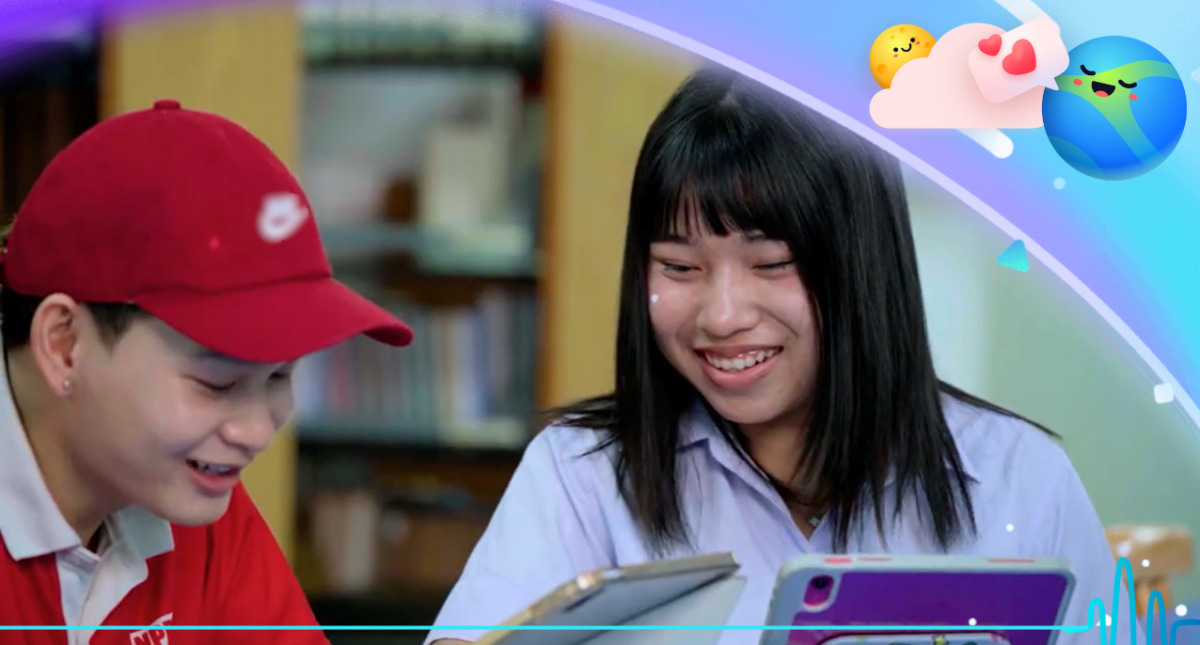
English is widely taught in classrooms, yet many students remain reluctant to speak. However, the issue is not exposure to English, but the lack of continuous, confidence-building practice that encourages active participation. As a result, learners often understand English but hesitate to use it. Blended learning offers an effective solution by providing ongoing opportunities for students to practice speaking in supportive, low-pressure environments.
Classroom success does not always translate into speaking confidence
In many education systems, English instruction focuses on content coverage and assessment outcomes. As a result, students may perform well in reading and grammar tests but participate minimally in speaking activities. Moreover, the fear of negative evaluation often discourages learners from speaking, even when they have sufficient language knowledge.
Kiểm tra phát âm với bài tập sau:

This gap highlights the need for learning models that support psychological safety, repetition, and gradual confidence development.
Blended English learning as a model for sustained skill development
In contrast to traditional approaches, blended English learning combines face-to-face instruction with structured digital practice. Rather than duplicating content, this model focuses on continuous skill reinforcement and frequent language output.
According to post-pandemic research, effective blended learning depends on intentional alignment between online practice and in-class interaction, particularly for language production skills (Bond et al., 2023). Therefore, digital activities should prepare learners before class and reinforce learning after class.
In practice, learners engage with English more frequently and independently through digital tools. Meanwhile, classroom time is optimized for interaction, application, and feedback rather than passive instruction.
Low-risk learning environments encourage speaking with timely feedback
Importantly, blended learning creates low-risk environments where students can practice speaking without fear of immediate judgment. Through guided digital exercises, learners receive timely and actionable feedback, which helps them recognize mistakes as part of the learning process.
As confidence grows, students become more willing to participate in classroom discussions. Over time, repeated practice and feedback strengthen both speaking ability and learner engagement, leading to more active participation in face-to-face learning.
Sustaining Engagement Through Consistency and Personalized Pacing
In practice, learner engagement often declines when learning feels episodic or disconnected. For this reason, blended English learning emphasizes short, regular practice sessions rather than intensive but infrequent study. By maintaining consistency, learners stay connected to the language, while visible progress helps reinforce motivation over time.

At the same time, engagement also drops when instruction moves at an unsuitable pace. When learning is too fast, learners feel overwhelmed. Conversely, when it is too slow, motivation fades. Blended English learning addresses this challenge by allowing learners to control their pacing. They can revisit difficult tasks, repeat practice as needed, or advance when they feel ready.
Importantly, research supports this approach. A 2024 systematic review found that personalized digital learning pathways significantly improve learner persistence and participation, particularly in skill-based subjects such as language learning (Ayeni et al., 2024). As a result, personalized pacing within blended learning models plays a key role in sustaining long-term engagement and active participation.
Measurable Learner Outcomes
Recent research confirms that blended language learning environments positively influence learners’ willingness to communicate. In particular, increased confidence and reduced anxiety mediate this effect (Dong et al., 2023). As a result, learners speak more frequently, respond more quickly, and show greater initiative during discussions.
Beyond participation frequency, the quality of learner contributions also improves. For example, learners demonstrate clearer message structure, more accurate pronunciation, and stronger responsiveness. Together, these outcomes serve as key indicators of improved communicative competence.
Blended Learning vs. Traditional Classrooms: What Fits the New Era of Education?
Flexibility and learner autonomy in blended English learning
Compared with traditional classroom models, blended English learning distributes practice more evenly over time. This approach aligns with research showing that spaced and repeated exposure significantly improves retention and knowledge transfer (Carpenter et al., 2022). As a result, learners engage with English more consistently rather than relying on intensive, short-term study.
In addition to flexibility, learner autonomy plays a critical role in sustained engagement. When learners have control, they are more likely to stay motivated and committed. Blended learning supports this autonomy by allowing learners to choose when, where, and how they practice.

Recent motivation research further confirms that AI-driven learning platforms strengthen learner autonomy through personalized guidance and real-time feedback (Nopas, 2025). Consequently, learners feel more ownership of their progress, which leads to higher participation and persistence.
| You may be interested in: Teachers roles in the education system |
From blended learning to AI-enhanced blended English learning
As blended learning continues to evolve, the next stage integrates AI-powered speaking practice, feedback, and personalization. This AI-enhanced blended English learning model extends the benefits of traditional blended approaches by addressing individual learner needs at scale.
Specifically, AI enables:
- Real-time pronunciation and fluency feedback
- Adaptive difficulty based on learner performance
- Personalized practice paths aligned with learner goals
Research supports this shift. Studies show that AI-driven language learning tools significantly improve learner confidence (Santoso et al., 2025). Moreover, AI technologies enhance language learning outcomes by offering personalized and interactive environments where learners build skills at their own pace (Dou et al., 2025).
Importantly, AI does not replace teachers. Instead, it amplifies blended learning by scaling individualized feedback, increasing measurable speaking practice, and providing actionable learning data for instructors. Together, these elements create a closed feedback loop between digital practice and live classroom interaction. As a result, institutions can achieve more measurable, scalable, and sustainable learner outcomes.
AI in Education Case Study: Measurable Results from the Classroom
As part of its digital transformation strategy, Hoang Mai Star School sought a solution to complement in-person English instruction, particularly for IELTS preparation. The goal was to provide students with a safe and convenient platform for independent practice, while also helping teachers save time and reduce instructional costs.
To address these needs, Hoang Mai Star School partnered with ELSA to strengthen technology adoption within its English teaching and learning program. Through ELSA’s AI-powered personalization, students can build on existing strengths while systematically addressing areas for improvement, leading to greater confidence in English communication.

ELSA and Hoang Mai Star School officially partnered to leverage IELTS test prep program for students
In addition, ELSA’s solution provides customized IELTS assessments tailored to Hoang Mai Star School learners. These are supported by hyper-personalized learning paths and an AI role-play coach designed to improve speaking confidence in realistic scenarios. At the same time, teachers gain real-time visibility into learner progress through a comprehensive performance dashboard, enabling more targeted instructional support.
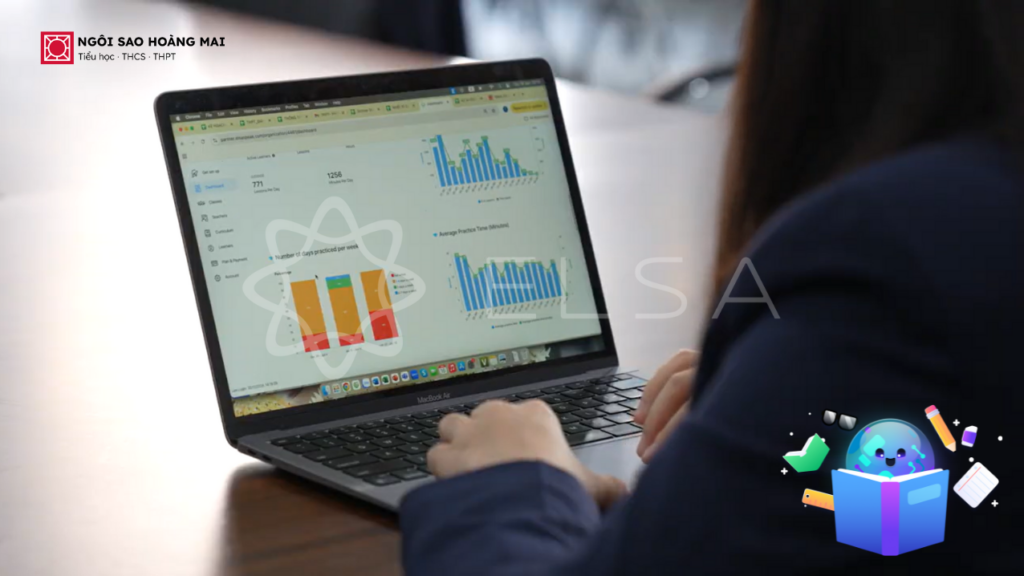
On average, ELSA Dashboard saves nearly 5h/day with automatic grading, tracking and data export.
Within 3 months, this partnership has brought in remarkable impact:
- High engagement with 99% of students have practiced with ELSA
- 79% of students have significant improvement in EPS score
- 84,400+ lessons completed and nearly 2,500 hours practiced
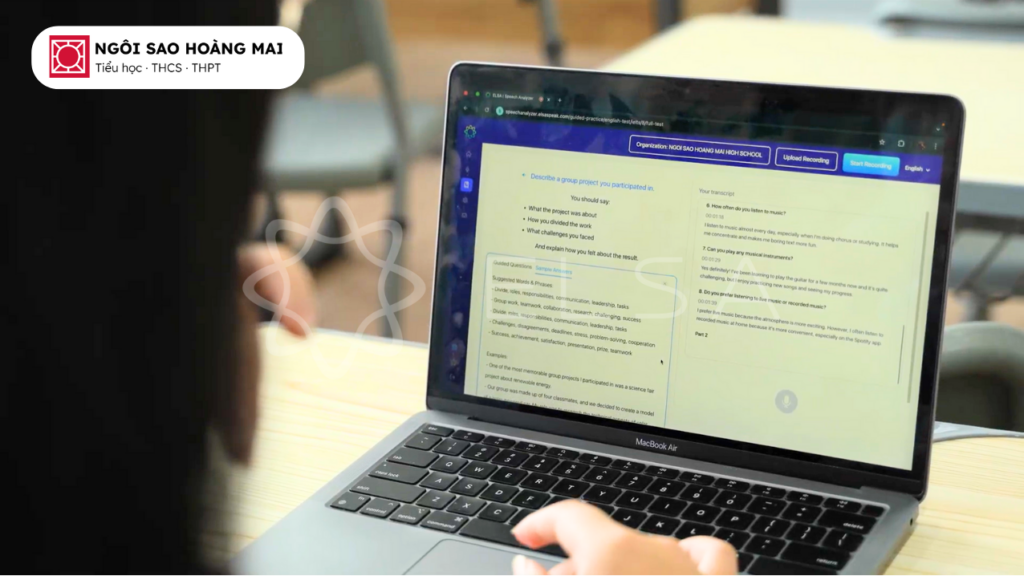
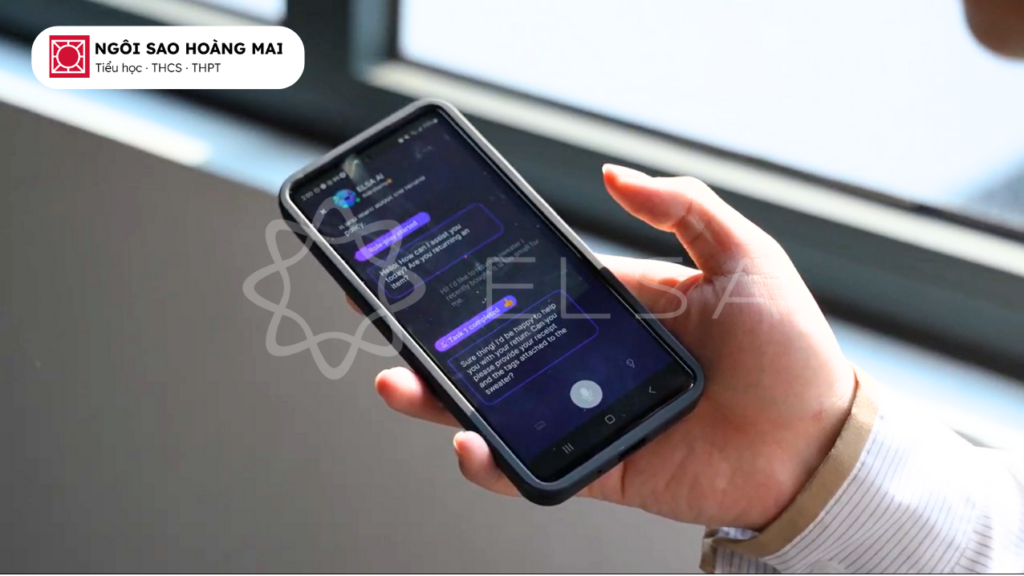
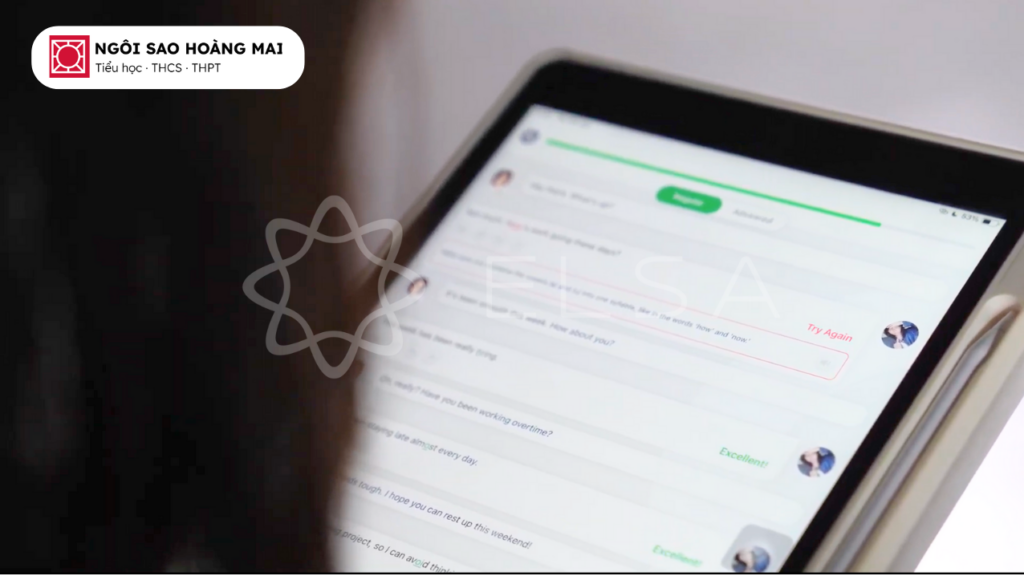
Hoang Mai Star School students can practice with ELSA anywhere, anytime, on their own devices
Commenting on the collaboration, Ms. Nguyen Thi Van Trang, Chief Executive Officer of Hoang Mai Star School, shared: “We highly value the use of generative AI technology to reduce teachers’ workload while maintaining the effectiveness of students’ practice and learning.”
ELSA is honored to partner with Hoang Mai Star School and looks forward to continued collaboration and long-term positive impact as the program expands in the future.
To learn more, schools can request a demo to explore how ELSA’s AI-powered solution supports student confidence, participation, and measurable learning outcomes here.
ELSA School
References
- Ayeni, O. O., Hamad, N. M. A., Chisom, O. N., Osawaru, B., & Adewusi, O. E. (2024). AI in education: A review of personalized learning and educational technology. GSC Advanced Research and Reviews, 18(2), 261–271. https://doi.org/10.30574/gscarr.2024.18.2.0062
- Bond, M., et al. (2023). Emergency remote teaching and beyond. Educational Technology Research and Development, 71, 1–27.
- Carpenter, S. K., et al. (2022). Spacing effects in learning. Educational Psychology Review, 34, 1–36.
- Dong, Y., Ahmad, N. K., & Nawi, N. R. C. (2023). Influencing factors of students’ willingness to communicate in English in the EFL classroom: a systematic review. Sains Humanika, 16(1), 9–18. https://doi.org/10.11113/sh.v16n1.2068
- Dou, A., Xu, W., Li, X., Zhang, S., & Zhang, J. (2025). Artificial intelligence in language learning. International Journal of Distance Education Technologies, 23(1), 1–24. https://doi.org/10.4018/ijdet.385045
- Nopas, D. (2025). Algorithmic learning or learner autonomy? Rethinking AI’s role in digital education. Qualitative Research Journal. https://doi.org/10.1108/qrj-11-2024-0282
- Santoso, M., Anwar, K., & Maruf, N. (2025). ARTIFICIAL INTELLIGENCE ON EFL IN VOCATIONAL HIGH SCHOOL: THE IMPACT OF TALKPAL.AI ON SPEAKING SKILL. Indonesian EFL Journal, 11(3), 625–638. https://doi.org/10.25134/991nty70